How to Plan Your Visit to the Hatta Mountain Area
Planning a trip to the Hatta Mountain area can feel a bit overwhelming, especially if you are trying to fit in the best sights without wasting time on the road. The region is known for its rugged terrain, historic sites, and outdoor activities, so a little preparation goes a long way. Whether you are heading there for a day or a weekend, knowing what to see and in what order makes a real difference.
The first thing to understand is that the Hatta Mountain area is not a single attraction. It is a collection of places spread across the Hajar Mountains, each offering something different. You have the calm waters of Hatta Dam, the cultural displays at Hatta Heritage Village, the adventure hub at Hatta Wadi Hub, and the scenic trails at Hatta Hill Park. Deciding what matters most to you will shape your entire day.
Step 1: Decide on Your Main Activity
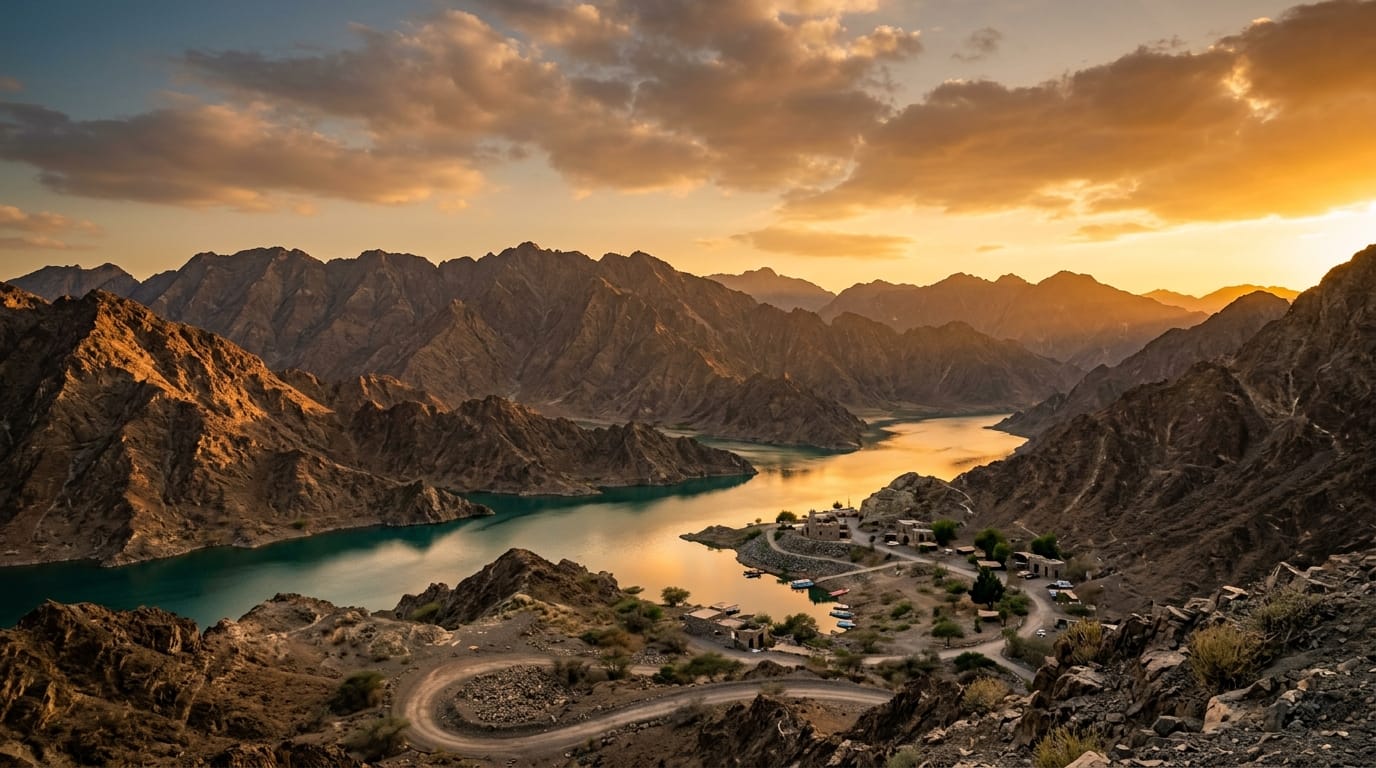
Before you look at a map, ask yourself what kind of experience you are after. If you want to paddle on calm water and take photos of the dramatic mountain backdrop, then Hatta Kayak at the dam should be your priority. If you prefer walking through history, Hatta Heritage Village gives you a look at traditional mountain life with its stone houses, watchtowers, and irrigation systems. For those who want to cycle or mountain bike, the Hatta Mountain Bike Trail is a well-marked route that suits different skill levels.
Once you pick your main activity, you can plan the rest of your stops around it. Trying to do everything in one day can leave you rushed, so it is better to pick two or three things and enjoy them properly.
Step 2: Check the Weather and Timing
The Hatta Mountain area sits at a higher elevation than the coastal city, so temperatures can be noticeably cooler, especially in the winter months. Summer heat can still be intense, but the dry mountain air makes it more bearable than you might expect. Early morning is the best time to arrive, around sunrise or just after. The light is softer for photos, the crowds are thin, and the heat has not built up yet.
If you plan to kayak or cycle, the morning hours are ideal because the water is calm and the trails are quiet. By midday, the sun is high and the kayak rental queues can get long. Afternoon visits work well for the heritage village or a short walk around the fort, since those spots are partly shaded.
Step 3: Plan Your Route Through the Area
The roads within the Hatta Mountain area are straightforward, but you can waste time if you double back unnecessarily. A logical order helps. Most visitors start at Hatta Dam, because it is the most popular spot and parking fills up quickly. From there, you can head to Hatta Wadi Hub, which is a short drive away and offers food options, restrooms, and biking rentals.
After the dam and the hub, the next logical stop is Hatta Heritage Village. It is close by and gives you a calm, cultural break after the more active parts of your morning. If you still have energy, Hatta Hill Park is worth a visit for its playground, shaded picnic areas, and walking paths. The park is a good place to rest before heading home.
For a detailed map and up-to-date opening hours for each spot, it helps to check a local resource like hattamountaintourdubai.com. That site lays out the locations clearly and can save you from guessing which places are open on the day you visit.
Step 4: Pack the Right Gear
What you bring depends on your chosen activities, but a few basics apply to almost any visit. Sunscreen is essential because the mountain sun is strong even when the air feels cool. A hat and sunglasses help a lot. Water is another must, and not just a small bottle. Bring at least one litre per person, more if you plan to hike or cycle.
If you are going to Hatta Kayak, wear clothes that can get wet and bring a change of clothes in a dry bag. The kayak rentals provide life jackets, but you might want water shoes because the shoreline can be rocky. For the heritage village and fort, comfortable walking shoes are fine. The terrain there is mostly flat and well-maintained.
Snacks are a good idea too. While Hatta Wadi Hub has food stalls and a small cafe, the options are limited compared to the city. Packing your own sandwiches and fruit ensures you do not go hungry if the queue is long or you want something specific.
Step 5: Know the Entry and Parking Situation
Most of the main attractions in the Hatta Mountain area are free to enter. Hatta Dam, Hatta Heritage Village, and Hatta Hill Park do not charge an admission fee. Hatta Wadi Hub is also open to the public, though some activities like bike rentals or guided tours have a cost. Paying for parking is rare, but the lots can fill up on weekends and public holidays.
If you arrive after 10 am on a Friday or Saturday, expect the parking at the dam to be nearly full. Some visitors park along the road, but that is not always safe or allowed. A better strategy is to arrive early or to go straight to the heritage village first, then circle back to the dam later in the afternoon when people start leaving.
Step 6: Allow Time for the Unexpected
The Hatta Mountain area has a relaxed pace, but things do not always run exactly to schedule. A short rain shower can close the dam for kayaking temporarily. A bike rental might be out of stock if you arrive late. The heritage village sometimes closes for maintenance without much notice. Building a little flexibility into your plan helps you avoid frustration.
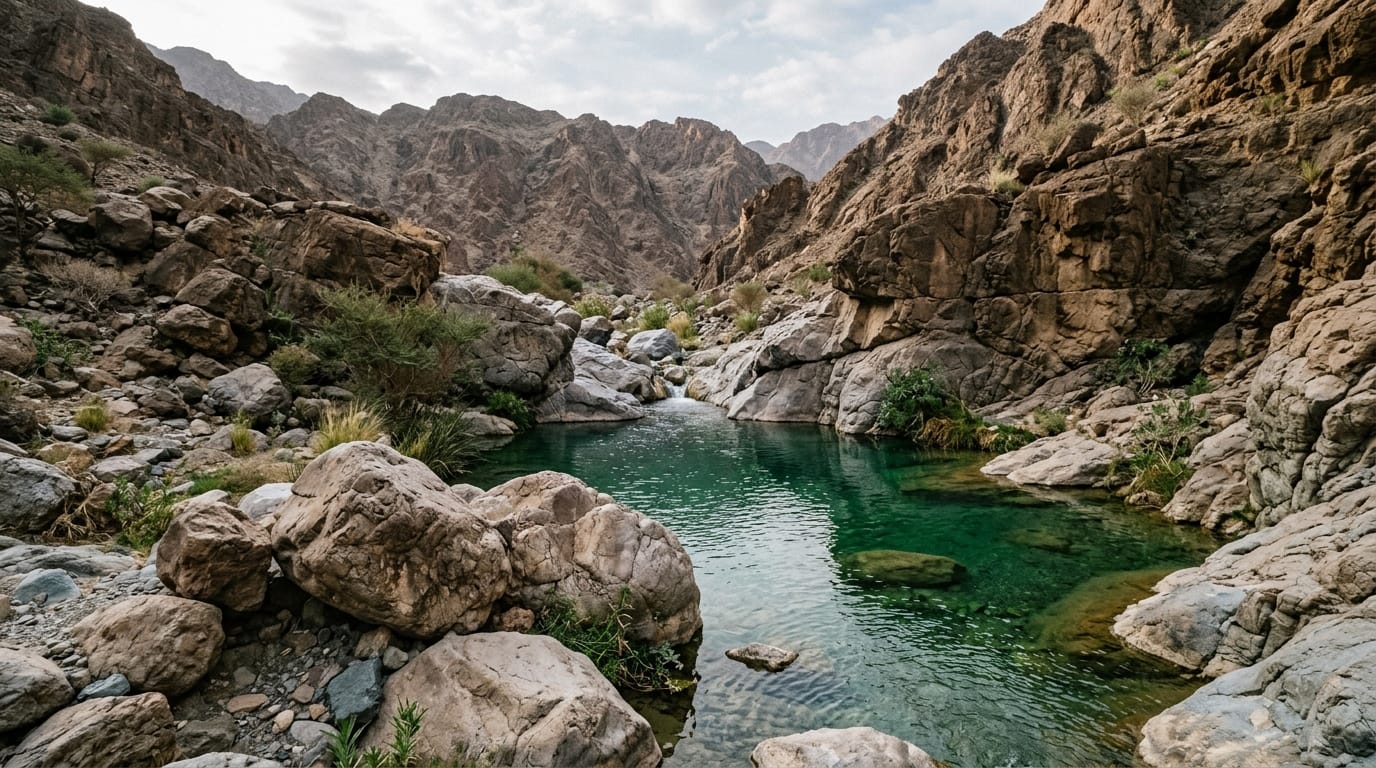
If you find that your first choice is unavailable, the backup options are still good. Hatta Hill Park has a lovely walking trail that takes about 30 minutes and gives you a view of the entire valley. The rock pools near the dam are another quiet spot to sit and enjoy the scenery, though getting to them requires a short walk over uneven ground.
For the most current information on closures and activity availability, a quick look at hattamountaintourdubai.com before you leave can save you a wasted trip. That site also lists contact numbers for the kayak rental and the bike centre, so you can call ahead and confirm that your chosen activity is running.
Step 7: Respect the Environment and Local Rules
The Hatta Mountain area is a protected natural landscape, and keeping it clean matters. Litter bins are available at most spots, but the wind can blow trash away quickly. Pack out what you pack in, especially if you bring food or plastic bottles. Swimming is not allowed in Hatta Dam because it is a drinking water reservoir, so stick to kayaking or paddleboarding when you are on the water.
Drone flying is restricted in some areas, especially near the dam and the heritage village. If you want aerial shots, check the rules first or ask at the visitor centre. Fires are also banned in the open spaces, so bring a picnic instead of a barbecue.
Respecting these rules keeps the area enjoyable for everyone and ensures that future visitors can experience the same clean, quiet atmosphere that makes the Hatta Mountain area special.
By following these steps, you can put together a day that matches your interests, fits the available time, and avoids common headaches. The key is to choose your activities early, arrive before the crowds, and stay flexible when things do not go exactly as planned. The Hatta Mountain area rewards those who take the time to prepare, offering a genuine escape into the mountains without the need for a long journey or a complicated itinerary.